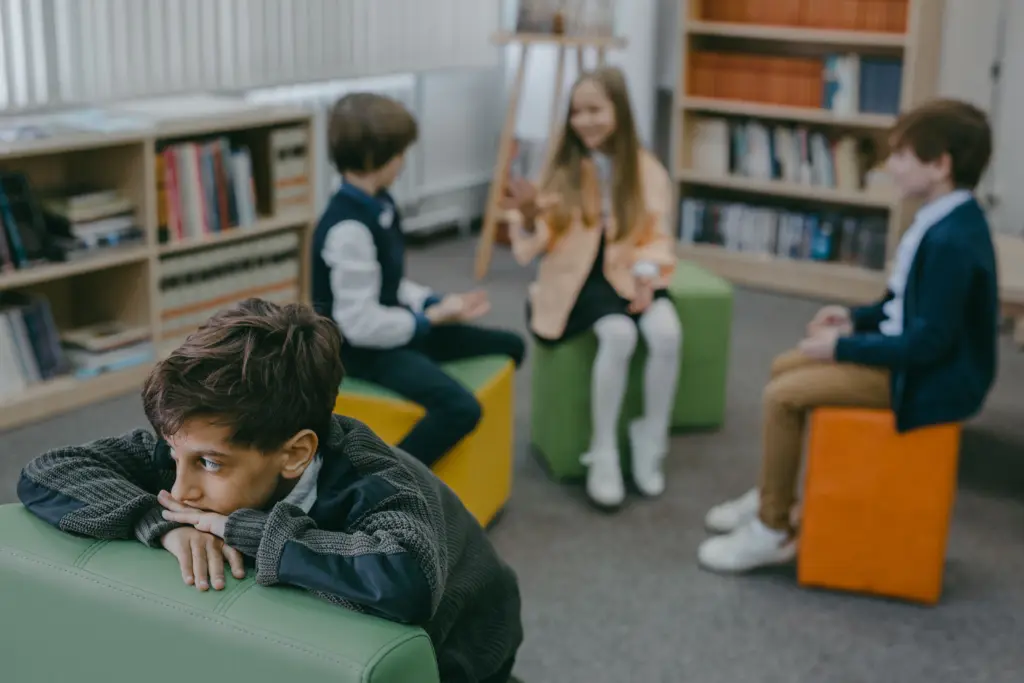
The return to school after the long summer holidays can bring a mixture of excitement and anxiety for children. While some will be eager to see friends and get back into their familiar routine, others may feel worried, unsettled or simply sad that the holidays are coming to an end.
With the new school term approaching, mental health expert and psychotherapist Noel McDermott, who has more than 25 years’ experience in the field, shares practical advice to help families prepare for the transition and recognise when a child may need additional support.
Prepare your child before school starts
One of the best ways to make the return to school easier is to start talking about it before the first day arrives.
Normalise their feelings
Let your child know that it is perfectly understandable to feel a little low or anxious about returning to school. Rather than dismissing their worries, give them an opportunity to talk about what is troubling them.
Reassuring them that these feelings are a normal response to change can help them feel less alone and more able to manage them.
Get back to healthy routines
If your child experiences the ‘back-to-school blues’, going back to basics can help. Encourage good sleep habits and regular family meals, giving everyone an opportunity to talk about their day and any concerns.
After several weeks of later nights and a more relaxed holiday routine, gradually moving bedtime and mealtimes back towards the school timetable can also make the first few days easier.
Make time for family
Sometimes a little extra attention and reassurance can make a real difference when a child is feeling low. Plan simple family treats or activities that give them something enjoyable to look forward to.
It doesn’t have to cost anything – a family film night, playing a game together or simply cuddling up on the sofa can provide valuable time to reconnect.
Reconnect with friends
If possible, arrange for your child to see some of their classmates before the new term begins. A playdate in the park, meeting for an activity or even catching up online can help re-establish friendships and make the prospect of returning to school feel more familiar.
Revisit the school
For children who are particularly anxious about returning, arranging a visit to school before term starts can be helpful. This type of preparation is sometimes referred to as transition work and can help children reacquaint themselves with their surroundings before the first day.
Get outside together
Spending time outdoors can be a simple way of helping the whole family feel calmer. A walk in the local park, a trip to the countryside or simply playing outside can provide an opportunity to switch off and talk.
Mindfulness can also be incorporated into family time. Even a short, simple mindful exercise together can encourage children to slow down and pay attention to the present moment.
Focus on the positives
Noel McDermott says parents should start preparing children for the transition well before the first day of term.
“It’s important as a family to learn key skills to manage change. Enhance the positive. We know from research that having a positive view of major changes can help reduce negative consequences, such as poor behaviour or a return to unhelpful coping patterns.
“Take note of all the things your kids like about school and make a list. Start those conversations well before the change happens. Remind your kids of their friends, favourite teachers and other things they enjoy about school, so they have something positive to focus on.”
For some children, simply being reminded of the familiar and enjoyable parts of school can help shift their focus away from the uncertainty of returning.
Recognising anxiety in children
It is normal for children to experience some nervousness around a significant change such as returning to school. However, parents should be aware of signs that anxiety may be becoming more persistent or affecting their child’s everyday life.
Possible signs include:
- Feeling nervous or constantly on edge, such as sitting on the edge of their seat or biting their nails.
- Finding it difficult to stop or control worrying.
- Feeling as though their thoughts are constantly racing.
- Worrying about several different things at once.
- Finding it difficult to relax.
- Becoming restless or unable to sit still, with constant fidgeting.
- Becoming easily annoyed or irritable.
- Feeling afraid that something terrible is going to happen.
When should parents seek help?
Anxiety can sometimes appear significant without it being immediately clear how seriously parents should take it. Noel suggests considering severity, longevity and impact on functioning.
Severity: How intense do the symptoms seem? Parents know their children best, so consider whether their anxiety appears unusually strong for them.
Longevity: How long have the symptoms been present? While children may experience a few difficult days around a change, persistent symptoms are more concerning. As a general guide, symptoms lasting around two weeks or more warrant closer attention.
Impact on everyday life: Is the anxiety interfering with your child’s normal activities? For example, is it stopping them from seeing friends, going outside, taking part in family life or engaging with activities they usually enjoy?
If anxiety is persistent, severe or significantly affecting your child’s daily life, it is sensible to seek professional advice.
The return to school doesn’t have to be a source of stress for the whole family. By preparing children gradually, listening to their concerns, reinforcing the positive aspects of school and maintaining healthy routines, parents can give them practical and emotional support as they make the transition back to the classroom.