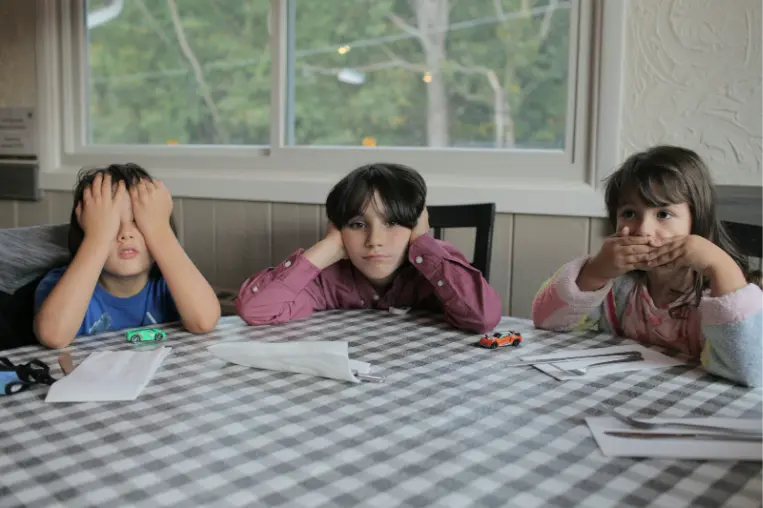
Approximately 9 MILLION children will be heading through school gates up and down the country in September following the summer break. Along with new settings, teachers, and peers, another challenge for youngsters to adjust to is the back to school sleep schedule.
Research has found that children’s bedtimes typically run later during the summer break, with a study by the University of Colorado finding that bedtimes drift by 30 – 90 minutes within the first week of the holidays.
To help cope with the transition back to earlier starts, James Wilson, a.k.a ‘The Sleep Geek’ and Benson For Beds‘ resident Sleep Expert, has shared his top tips to make the return to early mornings feel smoother and less stressful for everyone involved.
Reintroduce morning light
“Natural light helps regulate the body clock and supports healthy sleep-wake cycles”, says James.
“Open curtains early, spend time outdoors where possible and encourage daylight exposure soon after waking,” he adds.
Keep wake-up times consistent
“Consistent wake-up times are often more effective than focusing only on bedtime”, explains James.
“Getting up earlier helps the body naturally feel sleepier earlier in the evening”, he adds.
Don’t panic about one bad night
“A disrupted night before school starts is very normal” says James.
“Try not to create anxiety around sleep, especially with younger children or teenagers already worried about returning to school anyway.”
Create a wind-down routine
“A calming evening routine can help tell your body that bedtime is approaching,” advises James.
“With this in mind, reading, gentle stretching, relaxing music or quiet activities can all help support better sleep,” suggests James.
Think about how evening activities feel
“Rather than focusing on banning screens entirely, it’s often more helpful to understand how activities affect you or your child in the run up to bedtime”, notes James.
“Some children may find certain phone use, gaming or social media stimulating, while others may find some digital activities relaxing. The important thing is paying attention to whether an activity is helping them unwind or making them feel more mentally switched on,” he adds.
Be flexible with teenagers
“Teenagers naturally experience shifts in their body clock during adolescence, often making them feel sleepy later at night”, says James.
“Earlier mornings after the holidays can therefore feel particularly difficult. Gradually adjusting routines, encouraging morning light and keeping up with consistency can help to ease the transition,” recommends James.
Prepare mornings in advance
“Getting school bags, uniforms and lunches organised the night before can help to reduce stress and make early mornings feel calmer for everyone,” counsels James.
Support your own sleep too
“Parents often focus entirely on their children’s routines while neglecting their own rest,” cautions James.
“Earlier wake-ups, school runs, and busy schedules affect adult sleep too. So, it’s important for the whole household to prioritise rest where possible,” he adds.
For the full guide and further tips, head to https://www.bensonsforbeds.co.uk/sleep-hub/back-to-school-10-ways-to-prepare-for-early-mornings/