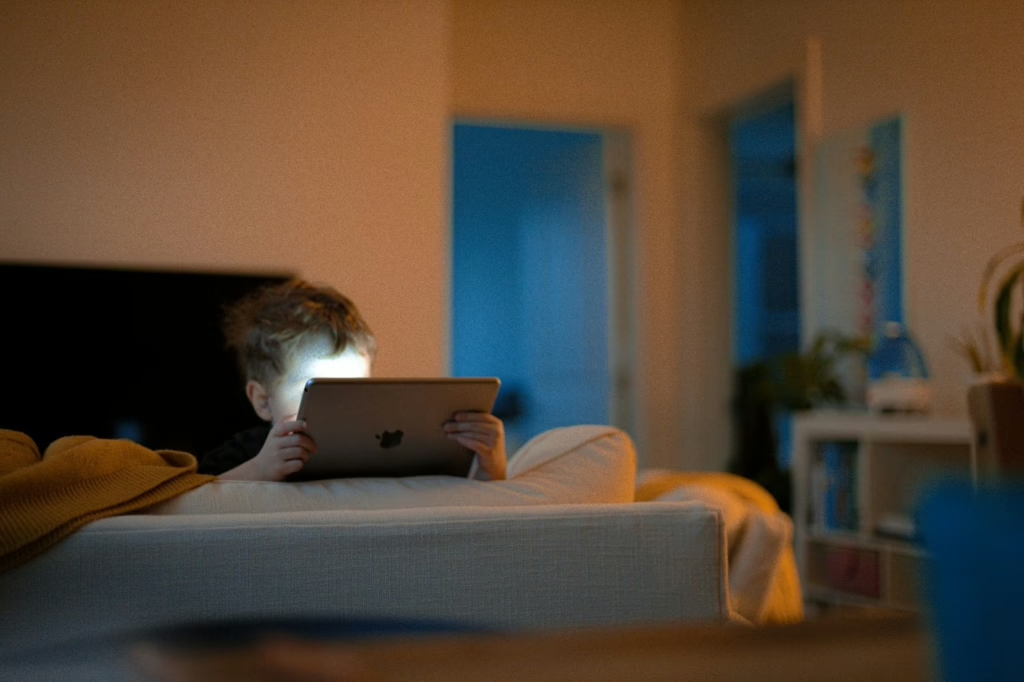
As the UK Government plans to ban social media use for under-16’s³, Children’s health experts at Stem Protect outline the key warning signs that your child’s screen time may be becoming harmful, and offer advice on what to do if problems escalate.
According to UK and international health guidance?, the appropriate amount of screen time for children is:
- Under 2s: No screen time (except video calls)
- Ages 2-4: No more than 1 hour per day
- Ages 5-11: No strict limits, but non-educational screen time should be no more than 2 hours per day
- Ages 12+: No strict limits, but instead of banning, encourage open conversation
However, recent studies reveal that children often exceed these recommended daily times.
Key warning signs that screen time may be affecting your child
Research? into health and child development links excessive screen use to a variety of physical and psychological health problems, including:
1. Sleep disruption
Screens expose children to blue light?, and excessive screen use can result in difficulty falling asleep, waking up throughout the night, and feeling tired despite sleeping at an adequate time.
2. Eye strain and headaches
Children may rub their eyes more, complain they have sore or dry eyes, as well as headaches, after excessive screen use.
3. Mood swings and irritability
Too much screen time can cause children to become frustrated or have emotional outbursts when asked to stop using devices. There are also links between excessive screen use and lowered attention spans.
4. Increased anxiety and withdrawal
Some studies suggest excessive screen time may contribute to anxiety symptoms, particularly when linked to social media use. This could cause children to have less interest in social activities.
Mark Hall, child’s health expert at Stem Protect, said:
“For most families, the aim shouldn’t be total bans on screens, but to create a balance. The biggest improvements tend to come from clear, consistent boundaries. This might include setting daily limits, introducing screen-free periods, particularly before bedtime, and keeping devices out of bedrooms overnight.”
“Parents often underestimate how much screen time adds up across phones, tablets, gaming, and schoolwork. Encouraging offline activities and protecting time for family routines helps prevent screens from becoming the default go-to option.”
“It’s also important that children feel able to talk about what they’re seeing online. Open conversations about content, how it makes them feel, and when something doesn’t feel right can be just as important as time limits.”
“Many parents think screen time matters more in the teenage years, but habits formed in childhood matter as much. If you see a change in your child’s sleep, mood or behaviour, its a good time to bring boundaries into your home. The issue isn’t technology itself, its when there’s no existing structure.”
“Incorporating small changes into your children’s lives early on can make a real difference to their wellbeing.”
Why parents often underestimate screen time
Screen use is no longer limited to television. Children have at least one electronic device, switching between:
- Tablets and smartphones
- Laptops for schoolwork
- Gaming consoles
- Streaming platforms and social media
Using devices like those above creates an “always-on environment”, which becomes difficult to track, particularly when children spend a mixture of their day at their school, bedrooms and shared family spaces.
Sources:
- https://www.independent.co.uk/news/science/children-toddlers-screen-time-warning-parents-b2899405.html
- https://trends.google.com/explore?q=how%20much%20screen%20time%20should%20a%2010%20year%20old%20have&date=now%207-d&geo=GB
- https://www.bbc.co.uk/news/articles/cgm4xpyxp7lo
- https://welcare.org.uk/screen-time-recommendations/
- https://pmc.ncbi.nlm.nih.gov/articles/PMC10852174/
- https://www.mind.org.uk/information-support/tips-for-everyday-living/wellbeing/