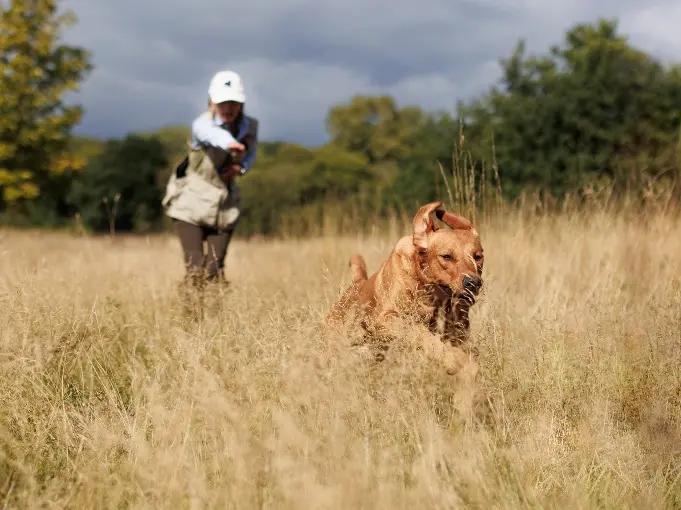
Dog owners are being urged to learn five key whistle commands that could help them stop and recall their pet in an emergency, after new figures showed reported out-of-control dog offences resulting in injury have risen sharply since 2019.
Freedom of Information requests to police forces found the number of reported out-of-control dog offences resulting in injury rose from 18,683 in 2019 to 32,746 last year, a jump of more than 75%. The figures cover incidents where a person or assistance dog was injured, but do not include dog-on-dog attacks.
As incidents involving dogs being difficult to control continue to climb, experts at ACME Kennels are urging owners to use whistle training to build reliable stop responses in case of an emergency.
Why whistle training matters
Ben McFarlane, whistle training expert at ACME Kennels, said the rise in dog attacks means every owner should know how to stop their dog quickly if needed.
He explained that a whistle cuts through background noise and carries further than the human voice, which helps reinforce commands even in busy or distracting environments. He added that owners can build a reliable response gradually, using positive reinforcement and practising in increasingly distracting settings.
McFarlane was clear that whistle training should support responsible ownership rather than replace it. If a dog isn’t reliably responsive to commands, he said, owners should keep them safely under control rather than letting them off the lead.
The five whistle commands ACME Kennels recommends
1. Recall – a strong recall brings a dog back promptly even in distracting environments, and a whistle carries further than the voice in noisy outdoor settings.
2. Stop – signals the dog to freeze in place, which can prevent it running into a road or chasing wildlife.
3. Sit – a fundamental obedience cue useful for greeting visitors or waiting at roadsides.
4. Stay – keeps a dog still until released, useful for preventing it bolting through an open door.
5. Directional commands – teach a dog to move left, right, or away, particularly useful for working dogs or guiding a dog at a distance.
ACME Kennels has a full guide on teaching these whistle commands on its website.