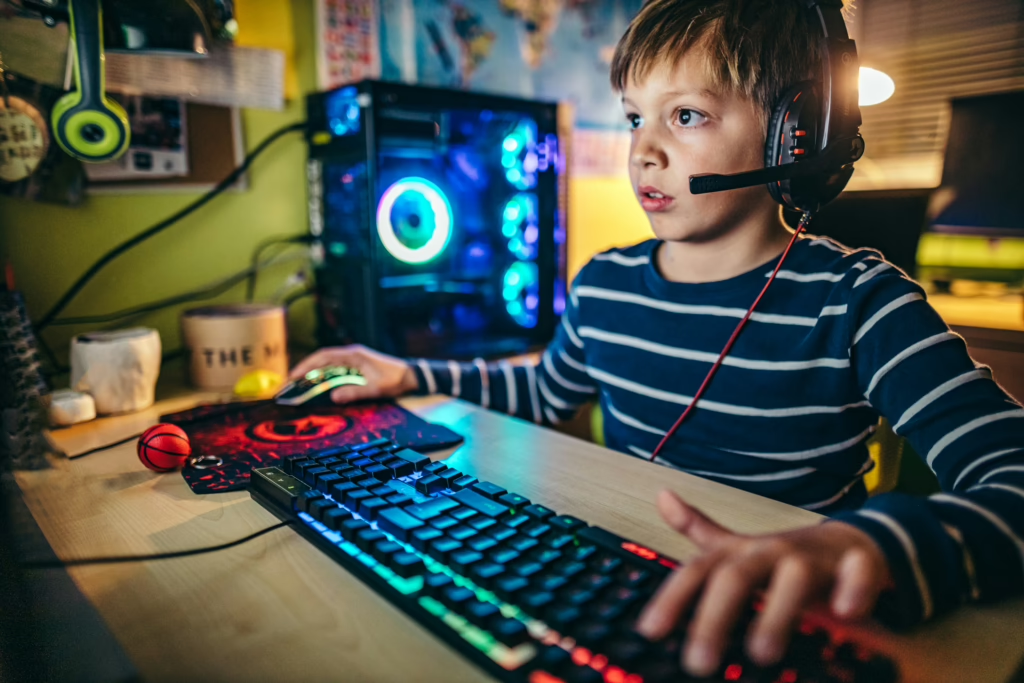
With the rapid rise in gaming and screen time among children, understanding the impact on mental health has never been more important. During Children’s Mental Health Week (9–15 February), Tim Panagos, Clinical Lead at The Edge Crete, explores how excessive gaming affects children’s sleep, academic performance, emotional wellbeing, and social connections.
Online gaming addiction can lead to serious mental, physical, emotional, and social challenges, disrupting daily routines, relationships, and overall wellbeing. To reduce these risks, parents are encouraged to set clear boundaries, promote balance, monitor gaming habits, educate children about risks, create structured routines, and encourage healthy real-life social connections.
Top 10 Gaming Effects: What Screen Time Really Does to Children’s Mental Health
1. Sleep Deprivation and Disrupted Sleep Patterns
Excessive gaming often leads to late nights and irregular sleep cycles. Poor sleep disrupts the body’s circadian rhythm, reducing attention span, memory, and emotional regulation. Chronic sleep deprivation increases irritability, stress, and anxiety, creating a harmful cycle where fatigue drives further gaming and declining mental health.
2. Decline in Academic Performance
Children who prioritise gaming over school responsibilities often experience reduced concentration, missed deadlines, and poor time management. Lack of sleep and excessive screen time impair productivity, leading to falling grades and academic disengagement. Gaming may become a form of procrastination, worsening long-term educational outcomes.
3. Social Withdrawal and Isolation
Too much time spent gaming can replace face-to-face interactions with online communities. Over time, this leads to weakened relationships, reduced social skills, and emotional isolation. As real-world engagement decreases, feelings of loneliness increase, reinforcing gaming dependency.
4. Physical Inactivity and Sedentary Lifestyle
Extended gaming sessions (often 6–12 hours or more) promote inactivity and prolonged sitting. This increases the risk of obesity, poor cardiovascular health, diabetes, and muscle weakness, while reducing overall energy and mental wellbeing.
5. Eye Strain, Headaches, and Vision Problems
Prolonged screen exposure causes digital eye strain, dry eyes, blurred vision, and headaches. Blue light from screens disrupts sleep quality and contributes to fatigue and mental fog, especially when breaks are not taken.
6. Increased Irritability, Anxiety, and Mood Swings
Gaming addiction can interfere with emotional regulation. Children may become anxious or irritable when unable to play, while long gaming sessions reduce real-world emotional resilience. Obsessive thoughts about progress or rankings increase stress and psychological strain.
7. Neglect of Personal Responsibilities and Hygiene
Excessive gaming often leads to neglected self-care, including poor hygiene, skipped meals, and avoidance of daily responsibilities. Over time, this affects physical health, self-esteem, and academic or family life.
8. Poor Posture, Back Pain, and Repetitive Strain Injuries
Long periods of poor posture while gaming can cause back pain, neck stiffness, muscle fatigue, and repetitive strain injuries such as carpal tunnel syndrome or tendonitis. Without breaks or ergonomic adjustments, these issues may become chronic.
9. Depression and Emotional Dependence on Gaming
Children may rely on gaming as an emotional escape from stress or personal difficulties. This dependence reduces enjoyment of real-life activities, increases isolation, and can worsen symptoms of depression when gaming is unavailable.
10. Loss of Interest in Real-Life Activities and Relationships
As gaming becomes the primary focus, children may lose motivation for hobbies, sports, and social events. Family relationships and friendships weaken, leading to emotional distance, isolation, and reduced life satisfaction.
Most Addictive Online Games for Children and Teens
-
Fortnite – Fast-paced battle royale gameplay with frequent updates and events
-
League of Legends – Competitive multiplayer gameplay with ranking systems
-
World of Warcraft – Expansive MMORPG with continuous progression and social interaction
-
Call of Duty: Warzone – High-intensity multiplayer action with constant updates
-
Minecraft – Endless creativity and immersion through building and survival modes
-
PUBG – Competitive team-based gameplay encouraging repeated play and skill progression
Why Is Online Gaming So Addictive?
Tim Panagos explains:
“Online gaming is addictive because it provides constant stimulation and reward. Gaming triggers dopamine release in the brain, reinforcing pleasure and encouraging repeated behaviour. Reward systems such as levelling up, achievements, and rankings fuel compulsive play. Many players also use gaming to escape stress, seek validation, or feel a sense of control.”
Causes of Online Gaming Addiction
-
Dopamine release and reward reinforcement
-
Escapism from real-life stress
-
Online social connection and belonging
-
Achievement-based reward systems
-
Competitive rankings and status
-
Habit formation and routine dependency
These biological, psychological, and environmental factors combine to create a cycle that can be difficult to break without intervention.
Signs and Symptoms of Gaming Addiction
-
Constant preoccupation with gaming
-
Increasing time spent playing
-
Neglect of school, work, or relationships
-
Loss of interest in other activities
-
Mood swings when gaming is interrupted
-
Lying about gaming habits
-
Using gaming to avoid problems
-
Tolerance (needing longer sessions)
-
Withdrawal symptoms such as anxiety or low mood
Seven Steps for Concerned Parents
-
Track daily gaming time
-
Assess neglect of responsibilities
-
Watch for physical symptoms (eye strain, fatigue, posture)
-
Observe emotional dependence
-
Monitor mood changes during interruptions
-
Identify social withdrawal
-
Reflect on compulsive or uncontrollable gaming behaviour
When Professional Help Is Needed
If gaming is affecting your child’s mental health, physical wellbeing, relationships, or sense of control, professional support may be needed. Early intervention is far more effective than addressing long-term dependence.
The Edge Crete is a specialist facility for teens and young men aged 18–28, offering evidence-based therapy, physical challenges, and adventure-based recovery in a safe, supportive environment.
For more information about The Edge Crete, please click here.