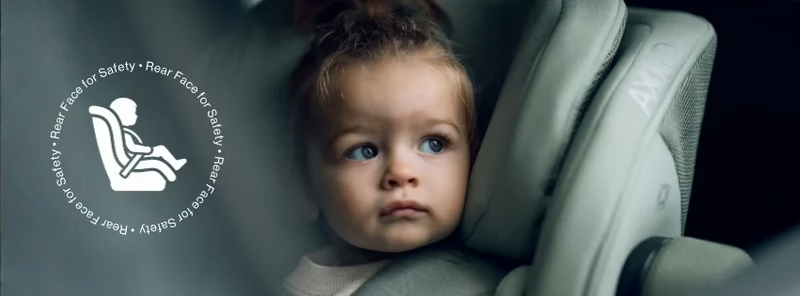
A major child safety campaign launches during Child Safety Week and urges families to have rear-facing seats. Rear Face for Safety brings together road safety experts, academics, charities and child injury specialists to improve child passenger safety across the UK.
The campaign encourages parents to keep children rear-facing until at least four years old. Research shows children can be up to five times safer when they travel rear-facing rather than forward-facing.
Supporters want clearer guidance throughout the parenting journey. They believe families need consistent, evidence-based advice from healthcare professionals, retailers, local authorities and early years services.
Why rear-facing matters
In a frontal collision, rear-facing seats support a child’s head, neck and spine more effectively. They spread crash forces across the back of the seat and reduce pressure on developing bodies.
The campaign arrives as the Government targets a 70% reduction in child road deaths and serious injuries by 2035. In 2024, 22 children died and 537 suffered serious injuries while travelling as car occupants on UK roads. Alarmingly, 42% of under-16 car occupants who died in collisions did not use a seatbelt or suitable restraint.
Sweden leads the way
Although UK and Swedish laws share the same minimum rear-facing requirement, families in Sweden often keep children rear-facing for much longer.
Recent figures suggest only 22% of UK children aged two to four travel rear-facing. In Sweden, that figure reaches 83%.
Sweden also developed the respected Swedish Plus Test. This demanding safety assessment measures forces placed on a child’s neck during severe frontal crashes. Only rear-facing seats have passed the test.
Researchers from Swedish insurer Folksam found that extended rear-facing travel could have prevented more than one-third of child traffic fatalities among children aged six and under.
A parent’s powerful story
Campaign supporter Jenny Everson knows the benefits first-hand. Her son Marlo travelled in a rear-facing seat during a serious head-on collision in 2023.
Jenny and her mother suffered significant injuries. However, nearly three-year-old Marlo escaped with only minor injuries.
Jenny now shares her family’s experience to help other parents understand the additional protection rear-facing travel can provide.
Supporting informed choices
Rear Face for Safety highlights the importance of informed decisions rather than simply meeting legal minimums. Experts believe better communication could help more families understand the benefits of extended rear-facing travel.
To learn more and support the campaign, visit the Rear Face for Safety campaign sign-up page