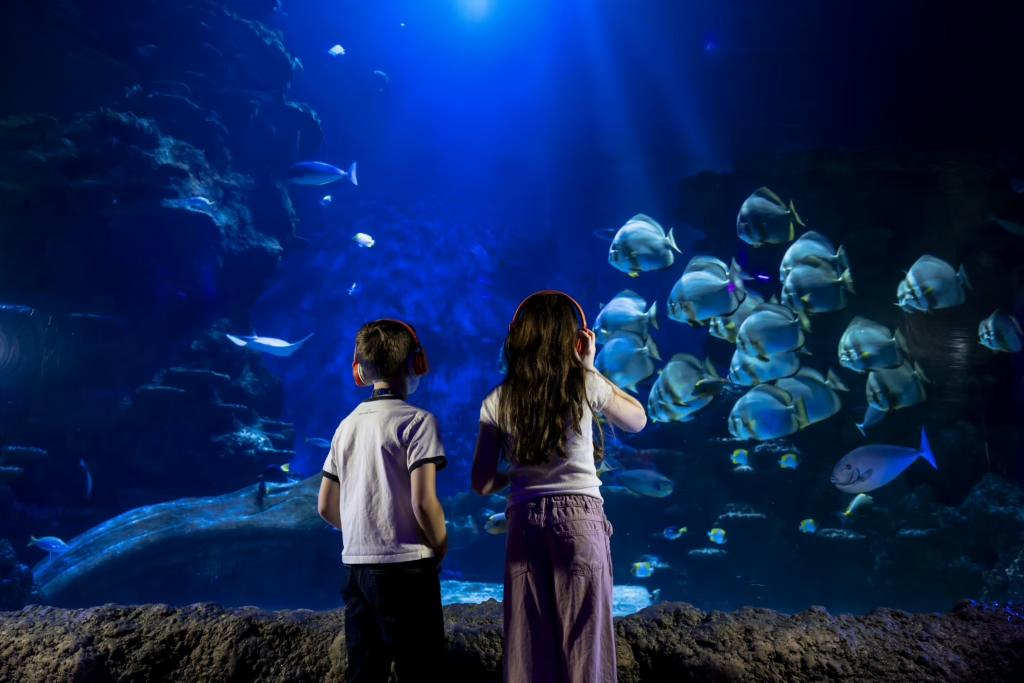
SEA LIFE London Aquarium is already one of those days out that does a lot of the hard work for you. Sharks, turtles, jellyfish, rays, it’s hard to go wrong. But a new audio tour launched this April in partnership with Yoto has added something that genuinely changes the experience – and not in a gimmicky way.
The SEA LIFE Discovery Tour is a 13-chapter listen-along adventure played through a Yoto Mini, guided by the BrainBots and it turns a walk around the tanks into something kids are actually invested in. At £5 per visitor it’s an optional extra on top of standard entry, with a portion of profits going to SEA LIFE Trust to help protect marine life globally. We tried it, and honestly, it delivered more than we expected.
So what actually happens?
Pixel signposts dotted throughout the aquarium match the icons on the Yoto Mini screen, so you always know where you are and what’s coming next. No faff, no confusion. The tour is available in English, French, Spanish and German too, which is a nice touch for a central London attraction that welcomes visitors from all over the world. Adults are also given a map so your kids don’t miss any.
The content is where it really shines
The BrainBots keep things moving with a mix of facts, conservation stories and jokes that land, especially around the clownfish. Nothing outstays its welcome and the science never tips into dry territory. Stingrays having no bones is explained by comparing their cartilage to the cartilage in your own nose. Suddenly it makes sense to a six year old. The male seahorse carrying the pregnancy leads into a conversation about plastic pollution in the ocean and what your family can actually do about it, using reusable bottles, recycling properly. It feels organic rather than preachy. Each section ends with a recap, putting everything into your “brain bank,” which gives younger kids a moment to catch up before moving on.
Is the £5 worth it?
The level of thought that has gone into the content makes it feel like money well spent. Kids pay attention differently when there is something guiding them and this keeps them focused on each exhibit rather than drifting towards the gift shop. It’s screen-free, uses a device many families already know and like, and the conservation angle gives the visit a bit more substance beyond just looking at fish.
Find out more and book your visit here.