As families prepare to jet off on summer holidays, many parents will be feeling a mixture of excitement and apprehension about flying with babies and young children.
From worries about crying infants to keeping energetic toddlers entertained during long journeys, travelling by air with little ones can feel daunting. With crying children regularly featuring on lists of passengers’ biggest in-flight frustrations, many parents feel additional pressure to keep their children settled throughout the journey.
To help families travel with confidence this summer, JoJo Maman Bébé has teamed up with consultant clinical psychologist and Managing Director of CAYP Psychology, Dr Daniel Weisberg, to share practical advice on making flights calmer and more enjoyable for both parents and children.
Babies Take Their Emotional Cues from You
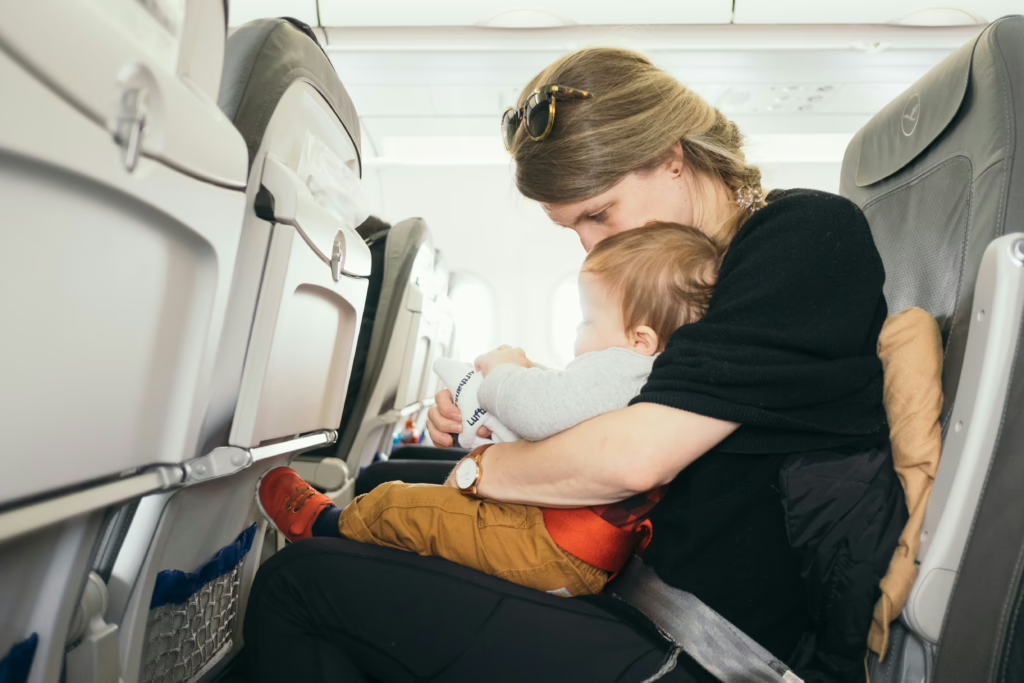
One of the most effective ways to soothe a distressed baby is through what psychologists call “co-regulation” – where babies respond to the emotional state of their caregiver.
Dr Weisberg explains:
“Co-regulation is key. Babies often respond to the emotional state of their caregiver. Taking a moment to steady your own breathing and posture can be helpful before responding to your baby.
“Gentle rhythmic movement, firm but comforting holding and soft shushing sounds or white noise can all help recreate familiar, soothing sensations for a baby.”
Remaining calm yourself can often have a surprisingly positive effect on your baby’s ability to settle.
Keeping Toddlers Entertained at 30,000 Feet
When it comes to occupying toddlers during long flights, simple activities often work better than highly stimulating toys or screens.
Dr Weisberg recommends:
“Simple, hands-on activities often work best. Things like sticker books, water-reveal colouring books or low-adhesive tape for sticking and peeling can help keep little hands busy without overstimulating them.”
These quiet activities encourage focus and can be especially useful during lengthy periods of travel.
Reduce Anxiety by Preparing Children Before You Travel
Children generally cope better with new experiences when they know what to expect.
According to Dr Weisberg, preparing children in advance can significantly reduce anxiety:
“Children thrive on predictability. It is uncertainty that can sometimes lead to anxiety.”
He suggests reading picture books about flying, watching videos of aeroplanes and even role-playing airport scenarios at home.
“When children know the script of what to expect, they often feel more settled and secure.”
Familiar Comforts Can Make a Big Difference
Although aeroplanes are unfamiliar environments, bringing familiar items from home can help children feel safe and secure.
Dr Weisberg advises parents to focus on what they can control:
“Favourite snacks, comfort items and a well-loved blanket can make a big difference.”
For toddlers, presenting the journey as an exciting adventure while maintaining a calm and reassuring attitude can also help set a positive tone.
Creating a Calm Space in a Busy Airport
Airports can be overwhelming for young children, with bright lights, loud announcements and constant activity.
Dr Weisberg recommends creating a small “sensory bubble” where possible.
“Noise-reducing headphones for toddlers can make a big difference, and finding a quieter space away from the main boarding area can help reduce stimulation.”
Keeping younger children in their buggy for longer can also provide reassurance and a sense of security amid the bustle.
Pack for Comfort and Curiosity
When preparing hand luggage, Dr Weisberg suggests thinking about two key categories: comfort and novelty.
Comfort items might include favourite toys, blankets or familiar objects, while novelty items can provide fresh distractions throughout the journey.
“A small busy bag with simple, screen-free activities can be useful. Introducing items gradually throughout the journey helps keep engagement fresh.”
He also notes that snacks requiring chewing can naturally help some children feel calmer.
Helping Children Cope with Ear Pressure
Changes in cabin pressure during take-off and landing can be uncomfortable for little ears.
Dr Weisberg explains:
“Sucking and swallowing can help ease this naturally, so feeding a baby or offering a dummy during take-off and landing can be effective.”
For older children, drinking through a straw or eating a small snack may also help reduce discomfort.
Dr Weisberg’s Top Three Tips for Family Travel
For parents hoping for a smoother journey this summer, Dr Weisberg recommends focusing on three simple principles:
- Stay calm yourself – children often mirror adult emotions.
- Create predictability – explain the journey beforehand to reduce uncertainty.
- Keep expectations flexible – travel rarely goes perfectly, and that’s okay.
As Dr Weisberg concludes:
“Travel days do not need to be perfect. A relaxed approach, a few extra comforts and a bit of flexibility can make the experience much more enjoyable for everyone.”
With a little preparation and realistic expectations, families can focus less on the stress of travelling and more on the adventures that await at their destination.