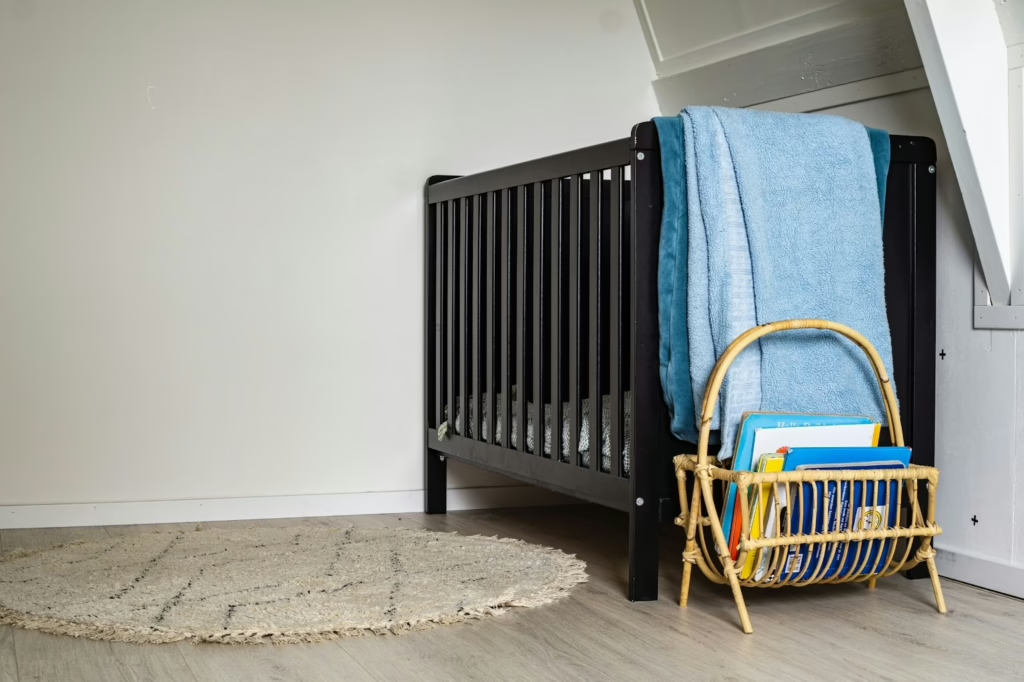
Depending on their age,between 8 and 17 hours spent in children’s bedrooms. There are risks to spending a long amount of time in a bedroom, which include:
-
Damp and mould
Damp and mould appears when moisture levels are high in poorly ventilated rooms, such as bathrooms or children’s bedrooms with closed windows. These can produce allergens, irritants, and mould toxins which, if exposed to for a long time, can affect airways and lungs. This can cause symptoms such as coughing, wheezing, and shortness of breath, and in serious cases can cause respiratory infections such as aspergillosis (an infection of the airways with the fungus Aspergillus). Also a risk of allergic airway diseases such as rhinitis (a condition causing nasal congestion, runny nose, sneezing, and itching), asthma, and other conditions that involve inflammation of the airways (including bronchitis, hypersensitivity pneumonitis, and Chronic Obstructive Pulmonary Disease (COPD)).
-
Dust Mites in children’s bedrooms
House dust mites are tiny creatures that thrive in warm, humid areas of the home. They feed on shedded human skin and hair, and are commonly found in mattresses, bedding, curtains, and carpets. Prolonged exposure can cause an allergy, common in the UK. Symptoms include coughing, sneezing, a runny and itchy nose, and runny and itchy eyes. It also aggravates allergies such as rhinitis, asthma, and eczema, which are left behind from their faeces.
-
Screen light
Recent research suggests that children born in the 2020s are spending double the recommended time on screens. Another survey found 45% of children in the UK watch TV to fall asleep. Light from these screens is called blue light, one of the primary sources that decreases the production of melatonin, a chemical that promotes healthy sleep. As children’s eyes are still developing, their pupils are larger than adults’, which makes them more sensitive to blue light exposure. Prolonged exposure disrupts the body’s natural sleep/wake cycle, causing brains to underproduce melatonin. Over time, this can affect sleep quality.
-
Synthetic Materials
Many children’s mattresses, pillows, toys, and other products made out of plastic can leech chemicals (e.g., phthalates and flame retardants) into the air. As children spend a significant amount of time in their bedroom and their bodies are still developing, prolonged exposure to these chemicals could lead to an endocrine imbalance (the system responsible for releasing several hormones that regulate vital functions such as metabolism, growth, and mood). Phthalate exposure can also increase the risk of allergies and asthma, as well as lower the quality of alertness in girls, with health implications that are not easily noticeable, particularly where the exposure takes place night after night.
Dr Amy Bandy, Dermatologist offers advice on how to treat these risks:
“I advise hypoallergenic materials for mattresses and pillows, and to wash bedding regularly in hot water to reduce chemical residues and dust accumulation. Even choosing low-VOC (volatile organic compound) paints and finishes can make a meaningful difference in the overall air quality of a child’s room.”